 Login
December 28, 2001. I stood graveside at Holy Cross Cemetery in North Arlington, New Jersey, surrounded by what felt like the entire world, yet I had never felt more alone.
I do not remember much about that day, but I remember the rain. I remember it falling against my skin as though the heavens themselves had opened, allowing the angels to weep alongside us.
Before that day, I was confused. How could my dad simply not come home after going to work? I would sit by the front door crying for my dad to come home and how much I missed him. In my seven-year-old mind, I believed he was lost, somehow trying to find his way back home, but the day of his funeral changed everything. It made the unimaginable feel final.
For the first time, I understood that my dad was never coming home.


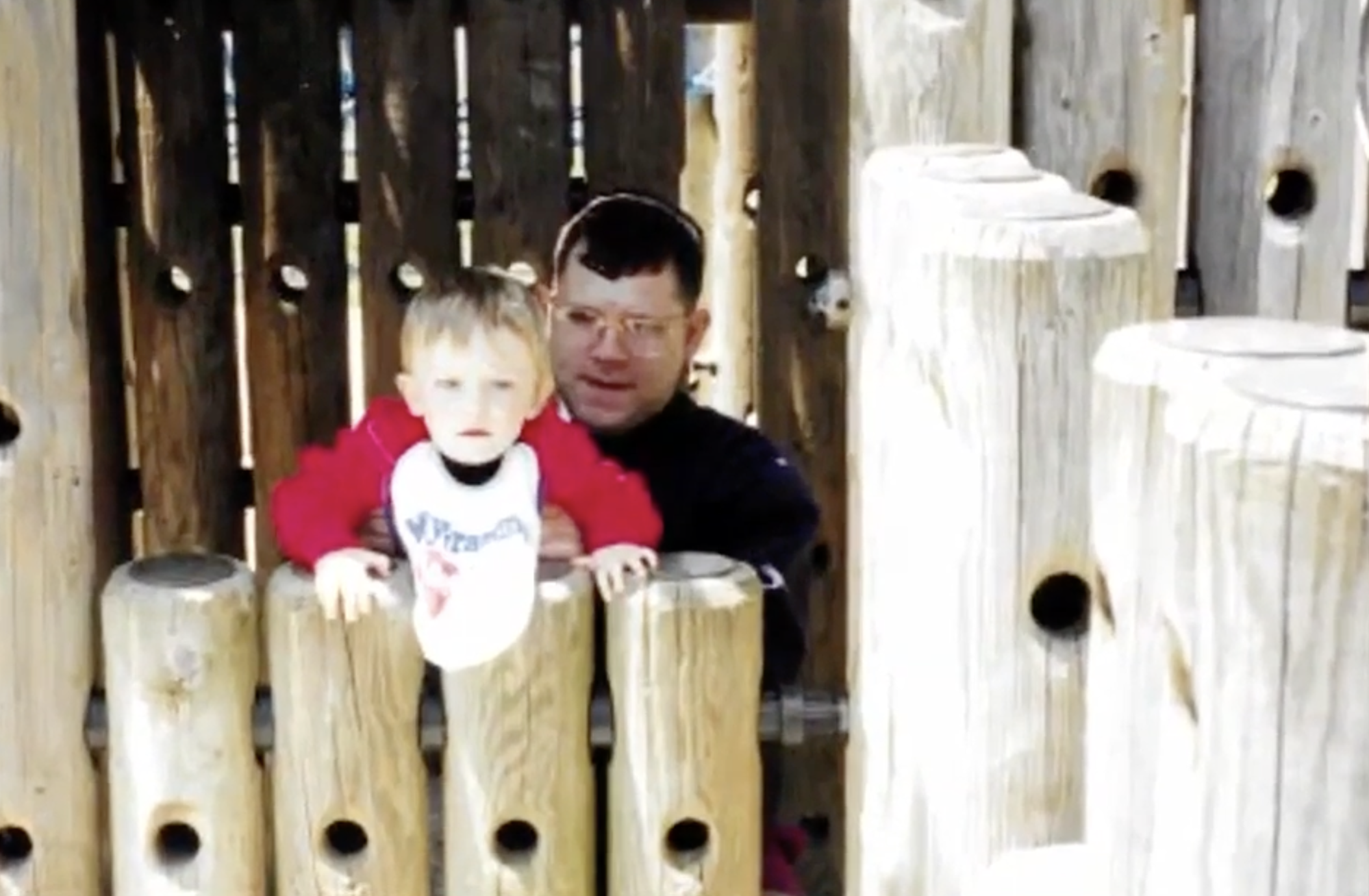
I was seven years old when my father, Franco Lalama, was killed in the World Trade Center on September 11, 2001. He worked as an engineer for the Port Authority of New York and New Jersey, with an office on the 64th floor of the North Tower. A co-worker reported that he was last seen on the 22nd floor and that before making his escape he went back to make sure the engineering office was cleared out before he did. His words were, “Go Ahead, I’ll Follow”
I was really excited for that school year starting second grade. I felt like this year would be more “grown up learning” for elementary school. On September 11th my school day was interrupted. I was picked up by our next-door neighbor.
I remember being excited to go home. When I got there, something felt wrong. The house was filled with relatives and close family friends. Under normal circumstances, that would not have seemed unusual. We were a typical New Jersey Italian family. Sunday dinners, coffee, cake, and pastry with a consistent flow of visitors were part of normal life for us as a family. But this was a weekday morning. The atmosphere felt different. Heavy. Quiet.
Eventually, my mother told me what had happened.
I vividly remember standing at the top of our staircase in the hallway as my mom got down to my level. I remember feeling as though the walls around me were collapsing.
In the months after 9/11, I became increasingly aware of my father’s absence. After missing much of school following his death, returning to the classroom was difficult. I was falling behind and I didn’t want to ask for help because I didn’t want to look different to my classmates since they were not behind in what we were learning. During a timed math assignment in second grade, I panicked when I couldn’t solve a problem. Panicked that I would fail another assignment, I reached for my textbook instead of asking for help. My teacher took it away and accused me of cheating. When I began to cry and said I missed my dad, she responded, “Your dad has nothing to do with this.”
But my father had everything to do with it. I wasn’t trying to avoid punishment; I missed him because he was the go-to for math help. Her words stuck with me that day making me feel uncomfortable asking for help. From then on, I began to believe I had to hide my emotions and struggles.
Over the past year I had been so excited to make the sacrament of Holy Communion. It was a milestone my father and I had looked forward to sharing. Having emigrated from Italy at seven, he carried a deep Catholic faith and shared it with me through our family’s Mass attendance and walks through the church, where he taught me about the saints and their stories.
As the day got closer, it became harder knowing he wouldn’t be there. I kept thinking about how proud he would have been, but how could I feel that pride since he wasn’t there to share that moment together.

As the days passed, I began to feel increasingly alone.
I was experiencing so many emotions that my peers didn’t understand, so I never wanted to bring them up. I wanted to talk to my mom, but I remembered hearing her cry sometimes when my dad came up in conversation. I didn’t want to see my mom hurt or make her cry, so I chose to keep my feelings to myself rather than talk about what I was going through.
One day my mother sat me down and said she had seen an article in the newspaper about a camp for grieving children. The organization, called Comfort Zone Camp, was bringing a special program to New Jersey. My mom signed me up and told me I was going.
I was ready. After all, I had always wanted to go to camp after seeing The Parent Trap. Obviously, this camp was different, but I was excited and eager to go. I didn’t have reservations, just the typical nerves about entering a new environment. Would I make friends right away? What activities would we do?
More than anything, I wondered if I would get to just be Katie again—not the version who was afraid of being judged for grieving.
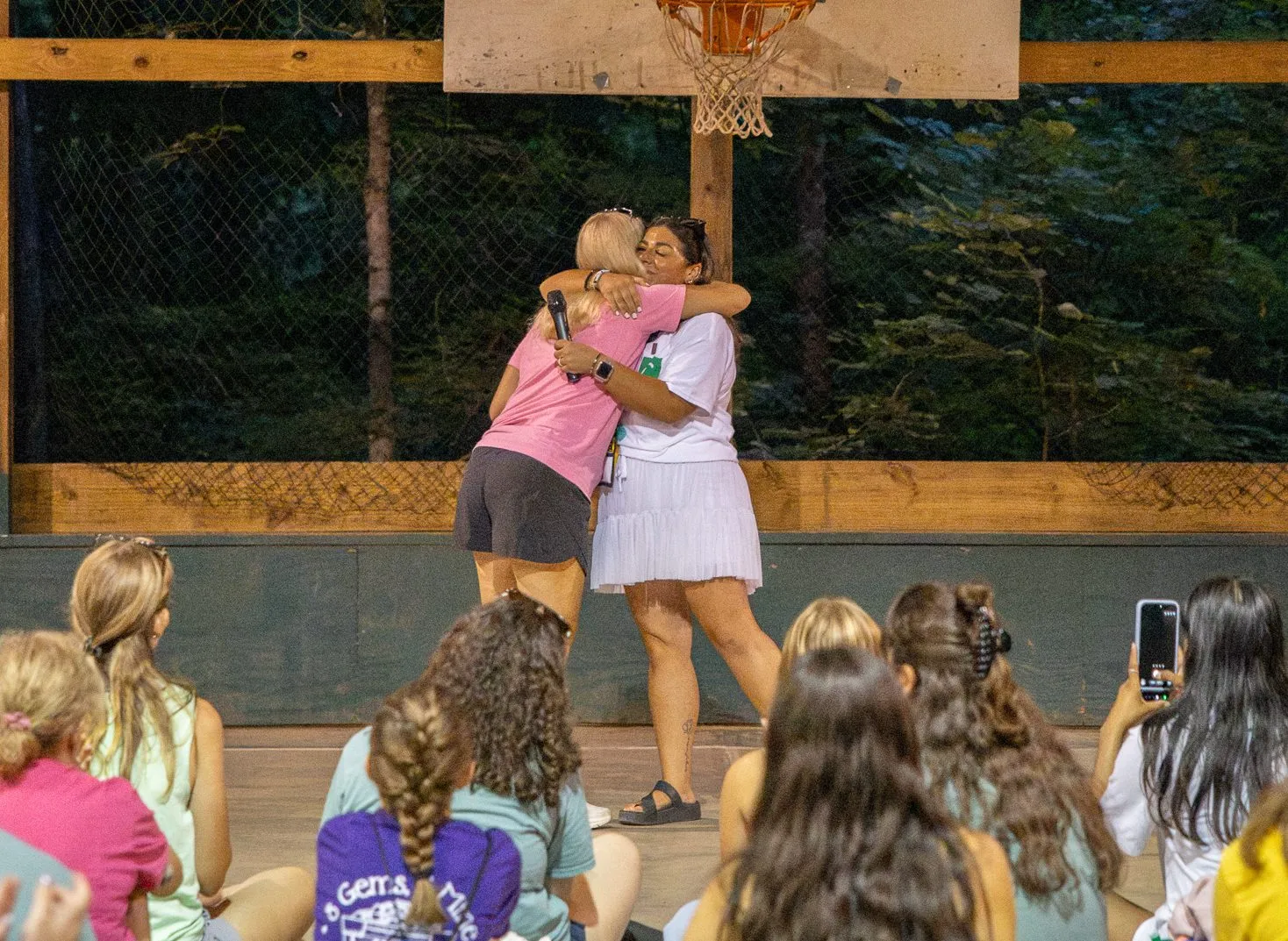
The first two people I met at camp were the founders, Lynne and Kelly. They were so eager to welcome me with warm embraces and smiles. Lynne reminded me of one of my Barbie Dolls at home. The most perfect smile and blonde hair with kind eyes that reassured me that camp was going to be great.
Almost instantly, Kelly stopped calling me by my first name. From that moment on he called me by my last name, I was simply LALAMA. Every time his voice boomed across camp that weekend “LALAMA!” I couldn’t help but smile.
When you arrive at camp, you meet your Big Buddy. From the moment Tracy and I met, her warm smile made me feel at ease. No matter what we were doing, she always made time to check in with me, listen, and remind me that I mattered.
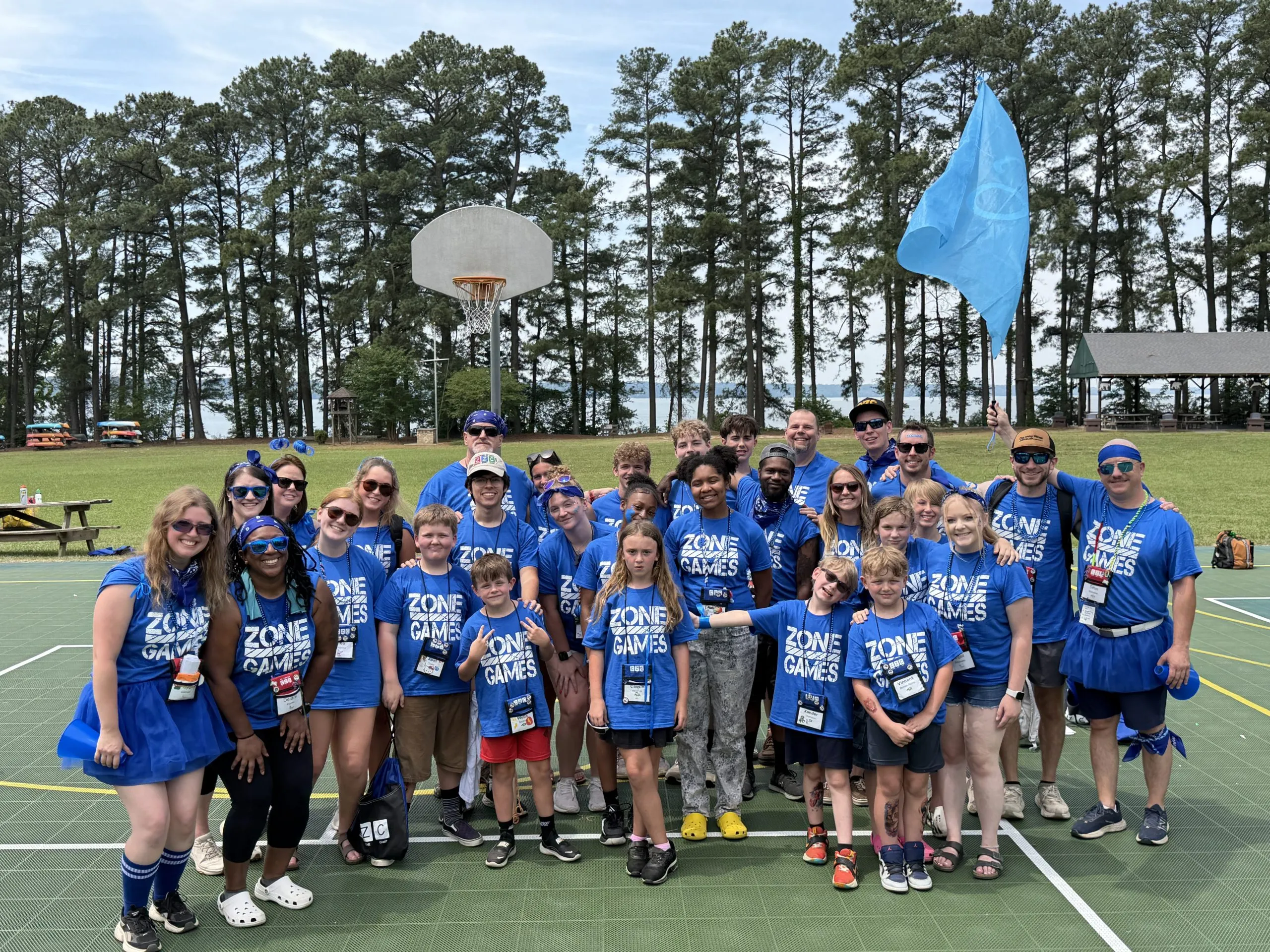
The rest of that first day introduced me to the regular “camp things,” and I loved all of them: the cabin, where I got the top bunk, group meals (so full of joy, excitement and loud energy. And the activities: challenge course, rock climbing, basketball, bonfire with s’mores and the one that became my favorite: Four Square.
The funny part was that the first time I played, I had no idea what I was doing. I didn’t know the rules. It seemed easy, but also difficult. There was a taped-out square on the ground with four boxes, and the goal was to get to the king box of the square. You must hit the ball underhand or your out, you can’t bounce the ball in the inner lines or you’re out, if you hit out of the square, you’re out.
Instead of making me feel like I didn’t belong, the adults welcomed me in. They didn’t rush through the rules or expect me to figure it out on my own. They patiently showed me how to play.
That first night after dinner, icebreakers, and big buddy share, we had our first Healing Circle. Guided by the Leader, we pulled our chairs into a circle, close enough that no one felt separated from the rest of the group.
The Leader invited us to build the space together. As a group, we talked about how we wanted to treat one another. We created our own rules, listening without interrupting, respecting one another’s stories, keeping what was shared confidential, and making sure everyone felt safe enough to speak when they were ready.
I remember feeling eager to share my story. I wasn’t afraid to talk about my dad or about how he died. In fact, I couldn’t wait for the moment when I could pass around the photo I had brought with me. I also carried a stuffed clown that my dad had gotten for me.
As I watched the photo and the clown make their way around the circle, I felt like everyone was helping me carry those memories for a little while. The clown played the tune of you are my sunshine and I pulled the tab on the clown for it to play and told everyone about the memory this clown shared. My dad bought me that clown at a store called Zainy Brainy’s when I was four years old and I have had it with me ever since. My mom told me he took me to that store, and I knocked every other stuffed animal off the shelf and picked that clown, so my dad knew that I had to have it. What I remember most from that first circle was how everyone in our group was telling me how much I looked like my dad and I loved hearing that. Knowing that he was gone, but I could look in the mirror and smile and see him made me feel connected to my dad.
As other campers shared their stories, I quickly realized that we all were there looking for the same thing. To feel seen in our grief and know we are not alone.
Over the course of the weekend, our healing circle met four different times. Each conversation built on the one before it. We talked about grief, about emotions that were difficult to name, about healthy ways to cope, and, most importantly, about the people we loved and missed. Even though we all had some differences in our stories, we all understood one another and what we were going through.

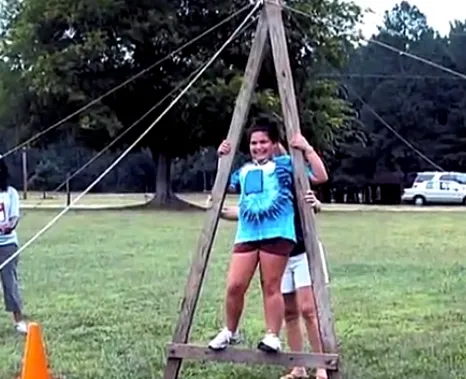
I returned to camp every year as a camper until 2012, when I began volunteering as a big buddy at 18.
Then on April 6, 2020, I reported for my first day as a staff member at Comfort Zone Camp. I woke up feeling like a kid on Christmas morning, full of excitement and wonder as my Comfort Zone Camp journey became full circle.
One of the most important lessons I took with me from camp is that my feelings are valid, and no one should make me feel like I do not belong because I am going through something they don’t understand.
At Comfort Zone Camp, we help grieving children build resilience and as adults, we play a vital role in helping them. While grief will always be part of my story, it doesn’t have to define my life. I chose to turn my pain into purpose. Every day I have the opportunity to walk alongside grieving children and families. I am reminded that healing is possible, hope can be restored, and even the deepest loss can become the foundation for a life filled with meaning.


Do you know a family who experienced a loss and could benefit from camp?
Comfort Zone Camp offers a free of charge, safe, and healing experience for children and teens who have lost a loved one. Sharing this page could make all the difference.